Oxygen Info -

Oxygen Info

Cellfood versus other oxygen products
Cellfood® works in a very different way from other oxygen products.
1. How does Cellfood® supply me with oxygen?
Cellfood® is a unique formulation, based on the patented “water splitting technology 1” which creates nascent oxygen and hydrogen at cellular level. Nascent means newly born; and, in biochemical terms, a newly born singlet atom of oxygen is negatively-charged (O-). Free radicals (which many biochemists believe are the primary cause of the aging process and degenerative disease) are positively-charged singlet atoms of oxygen (O+). The nascent oxygen atom (O-) comes from the dissociation of hydrogen and oxygen atoms from a water molecule in the blood stream or from the aqueous solution of the cell itself. Being negatively-charged, this nascent singlet atom of oxygen is attracted to the positively-charged singlet atom of oxygen (O+), and forms a molecule of pure usable oxygen (O2). So, Cellfood® causes a reduction in free radicals. This amazing phenomenon is at cellular level where it is needed, for processes such as cleansing cells, e.g. combining with a singlet carbon atom to form carbon dioxide (CO2) which is then expelled through the respiratory system.
2. How is Cellfood® different from other oxygen products?
Many oxygen products tend to flood the body with oxygen, often creating harmful oxygen free radicals. ?The release of these reactive oxygen species results in oxidative injury to biologic systems such as lipids found in cell membranes, and proteins found in blood vessels and myocardial tissues? (Professors Ashim Ghatak and Mahesh Chandra: Complementary Medicine, Page 13, Volume 4, Number 1, 1998).
Cellfood® is totally different, because it scavenges and bonds with dangerous oxygen free radicals, supplying the body with usable oxygen in a controlled and time-released manner, at cellular level, only where it is needed. Cellfood®, therefore, in no way creates free radicals. It causes free radical singlet atoms of oxygen to be neutralised. If people choose to use hydrogen peroxide, or other oxygen products, such as aerobic oxygen, ozone and stabilised oxygenated water, they should use antioxidants to minimise the free radical effect that can be caused by the flooding effect of too much oxygen too quickly in the body. Obviously, Cellfood® would be ideal in this situation for normalising and balancing the biochemical system.
3. How else is Cellfood® different from other oxygen products?
Oxygen products generally only supply oxygen to the body. Cellfood® also contains a wide spectrum of minerals, amino acids and enzymes.
Another defence mechanism against free radicals is the enzyme catalase. “Catalase breaks down hydrogen peroxide, a metabolic waste product in the body, and liberates oxygen for the body to use” (James F Balch, M.D. & Phyllis A. Balch, C.N.C., Prescription for Nutritional Healing, Page 47, 1997). Cellfood® has the enzyme catalase.
4. What happens to the nascent hydrogen produced by Cellfood®?
The nascent hydrogen atoms produced by the dissociation of atoms in the water molecule, are used by the body for many functions, such as hydrogen bonding, irrigating, building and strengthening cells and organs; preventing inflammation, promoting osmosis; moistening lung surfaces for gas diffusion; and regulating body temperature.
Hydrogen also re-energises the electro-magnetic field of the cell. This increased electro-magnetic polarity field causes the cells to repell themselves from each other, reversing haemo-aggulation which comes about when cells clump; and slow down (due to deficiencies in the cells), which then results in them taking on less oxygen when passing through the respiratory system. So, Cellfood® re-establishes the natural functioning of the red blood cell, and because the cells are now properly separated and flowing normally in the blood stream, they exchange more carbon dioxide molecules for oxygen molecules in the respiratory system.
Hydrogen is also essential for processes of digestion, assimilation and elimination; and for transporting nutrients through the arteries to the brain and all body tissues. An 80 kg person has about 7 kg of hydrogen in his body. The body normally obtains hydrogen from water, other liquids, fruits and vegetables. Lack of hydrogen leads to dehydration from inside and outside the cells; and extreme dryness and abnormal nerve heat are generated in the body.
Cellfood® supplies the body with nascent hydrogen to combat these conditions.
5. What else does Cellfood® do apart from supplying the body with oxygen and hydrogen?
Cellfood® truly nourishes cells in the body, because, apart from supplying cells with oxygen and hydrogen, it has elements, minerals and trace minerals and also a blend of enzymes and amino acids in ionic colloidal suspension. The manufacturer has achieved this by using the advanced process of Micro-Activation™ to cryogenically break down organic plant fossil deposits into colloidal micro-nutrient particles. No other product in the world has achieved this yet. Furthermore, Cellfood® contains a blend of enzymes (digestive and metabolic); and a blend of amino acids in its formulation.
6. How is Cellfood® assimilated into the cells?
Research (dark-field microscopy) has shown how Cellfood® is unique because it enters directly into the cells. At the moment, there is nothing as effective as Cellfood® for providing nutrients directly to the cell.
When taking Cellfood®, it goes through the sensitive membranes of the mouth, throat and oesophagus; so that over 95% of the product immediately enters into the blood stream, and goes firstly to the brain. Advanced technologies of Micro-Activation? and Electroculture? are used in the preparation of Cellfood®, to ensure that all the ingredients are in colloidal form, and that the vortex spin of all the electrons around the particles in Cellfood® are completely compatible with the vortex spin of all the particles in a living organism.
Therefore, because there are no barriers, Cellfood® is absorbed directly into the blood stream and is assimilated by the cells. It bypasses the digestive system; whereas most other products go into the digestive system, where from 0% to a maximum of 30% is absorbed by the body. Once in the circulatory system, the next step is cellular assimilation. Whereas 30% of some product may be absorbed into the circulatory system, none (or very little) of it may be assimilated by the cells, and is excreted by the body through processes of elimination. The digestive and circulatory systems can be full of nutrients, but if they are not assimilated into the cells, they are useless.
Over 95% of Cellfood® is absorbed into the circulatory system, and 100% of this is assimilated directly into the cells. In nutrition, cellular assimilation is the only thing that counts.
7. Conclusion
Cellfood® is the most advanced and unique nutritional supplement in the world today, especially regarding the supplying of oxygen, hydrogen, minerals, enzymes and amino acids at cellular level.
Cellfood® both cleans-up and nourishes the cells in a most amazing, unique and direct way. The matrix of minerals, balanced in specific ionic quantities, together with the specific amino acids and enzymes in Cellfood®, is part of the key to the genius of Cellfood®.
A couple of days after taking Cellfood® there is no residual of nutrients in the blood; therefore, for continuous peak performance in life, Cellfood® should be taken every day.
1 The water splitting technology was developed and patented by Everett L. Storey, a physical chemist, microbiologist, humanitarian and author. Regrettably, his research also led to the development of the hydrogen bomb. Everett Storey was a genius who understood an immense amount about the intricate biological, chemical, physical and electro-magnetic processes at cellular level. Using his electro-magnetic water splitting technology; together with a complex matrix of physical minerals and the biological triggering of enzymatic action, he developed Cellfood®, which is a leading-edge product in cellular nutrition today.
Power of Oxygen
Oxygen and Cellular Nutrition
At Oxygen For Life SA, we believe so strongly in the health benefits of oxygen and cellular nutrition, we have developed our entire business on this.
Oxygen
Oxygen is the most important element for aerobic life, being 65% of the human body (p.31 ); essential for energizing and cleansing cells. Decreasing oxygen levels in our atmosphere (e.g. carbon dioxide levels have doubled during the past 200 years, and are increasing by 1% p.a . ) are resulting in serious environmental and health problems. Oxygen deficiency (anaerobic state) leads to abnormal accumulation of metabolic waste in our bodies, and disempowers our systems from combating harmful bacteria, viruses and pathogens. This can result in cellular mutation and disease, as reported by researchers:
Dr Otto Warburg (twice Nobel Prize Laureate): “The primary cause of cancer is the replacement of the respiration of oxygen (oxidation of sugar) in normal body cells, by fermentation of sugar (anaerobic cell respiration)”. 
Dr Arthur Guyton: “All chronic pain, suffering and diseases are caused from a lack of oxygen at the cell levels”. 
Without adequate oxygen, a glucose molecule produces 2 molecules of ATP (Adenosine Triphosphate – fuel for the cells); however, with adequate oxygen saturation, a glucose molecule produces 36 molecules of ATP. (p. 78 )
Therefore, by ensuring that your body is adequately saturated with oxygen at cell level (on a continuous basis), your body can:
• generate adequate cellular energy to maintain a healthy quality of life; and
• effectively oxidize and eliminate metabolic waste and environmental toxins from its systems;
Oxygen is the most important food for cells (  )
CELLULAR NUTRITION – Absorption and Assimilation of Food
Today, there is overwhelming evidence that proper nutrition can make a significant difference to the quality of your life. Unfortunately, growing mineral deficiencies in our soils are depleting many fruits and vegetables of essential nutrients. (E.g. In USA, decreases between 1963 – 1992: calcium: -27.03%; iron: – 28.57%; magnesium: -34.78%; potassium: -5.28% )
In dealing with this problem, many people are turning to well-formulated and researched nutritional supplements to provide them with daily needed cellular nutrition – oxygen, hydrogen, minerals, vitamins, enzymes and amino acids.
However, Dr Todd Ovokaitys, M.D., says: “It is not the nutrients you ingest that improve your condition; it is only the nutrients that are assimilated into your cells where they can be used, that can transform your life”. 
Adding to the struggle for sustainable health is the growing world health problem of malabsorption (accompanied by a host of “modern” digestive disorders) that is further weakening bodily systems in combating harmful elements that daily threaten our health and well-being (pp.766-767  ; & pp.499-502 ).
Cellfood® Products are formulated with Micro-Activation™ & Electroculture™ technologies – colloidal nutrients (minute particle sizes) are induced with bio-electrical charges (ionic and vortex energy), resulting in an effective cellular delivery system. As you take the product, about 95% of nutrients are absorbed through mucous membranes of mouth, throat and oesophagus – directly into bloodstream; and assimilated at cell level – where they are needed. (, & pp.4 & 394 ). Preliminary studies in Dark Field Microscopy demonstrate these high absorption and assimilation levels of nutrients, that can greatly improve the quality of your life.
 David Shier, et al., “Hole’s Essentials of Human Anatomy and Physiology”, 8th Edition, McGraw Hill, N.Y., 2003.
 Dr Lawrence Mysak, PhD., “Learning from Polar Ice Core Research”, Environmental Science & Technology, Vol.33, Issue 7,
April 1999. pp. 160A-163A. (www.pubs.acs.org/hotartcl/est/99/apr/learn.html)
 Dr Otto Warburg, M.D., “The Oxygen-transferring Ferment of Respiration”, Lecture at Nobel Prize Award, 10 Dec 1931; and
Dr Otto Warburg, M.D., “The Prime Cause and Prevention of Cancer”, Lecture to Nobel Laureates, Lindau Germany, 30 June 1966.
 Dr Arthur C. Guyton, M.D. & Dr. John E. Hall, PhD., “Textbook of Medical Physiology”, 10th Edition, W B Saunders Co., Pennsylvania, 2002.
 Patrick Holford, “The Optimum Nutrition Bible”, Judy Piatkus Publishers, London, 1997. p.80.
 United States Department of Agriculture, 1963 & 1992 (conducted every 30 years).
 Dr Todd Ovokaitys, M.D., “Methylation Formula Study”, (unpublished study), Gematria Products Inc., San Diego, 2002.
 Dr James Balch, M.D., and Phyllis Balch, CNC, “Prescription for Nutritional Healing”, 2nd Edition, Avery Pub., New York, 1997.
 “Physician’s Desk Reference”, 53rd Edition, Thomson PDR, Montvale, NJ, 1999. p.1666.
Cellfood and our competitors
ellfood.
Ingredients:
A blend of Elements, trace minerals, minerals; a blend of
Digestive and Metabolic Enzymes; and a blend of Amino Acids
All the ingredients in Cellfood come from organic plant sources. (See No. 4: TECHNOLOGIES for more information). Cellfood contains no alcohol, oils, yeast, glucose, gluten, animal products, or banned sports substances (See No. 6: CERTIFICATION : WADA). Cellfood is non-addictive, non-toxic, and non-invasive.
University of Pretoria’s Sports Institute reported on 92 parameters, e.g.  :
Increased iron stores within the body (Ferritin levels increased up to 15.0%). Iron is essential for oxygen transportation in the bloodstream.
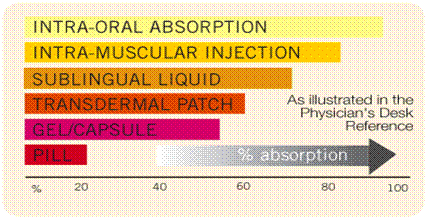
All ingredients in Cellfood are in a pure form (meaning that no bonding elements are used), and in colloidal liquid suspension. . Because they are colloidal, they have a negative electric charge (in physics, this phenomenon is called “Brownian Movement”). This causes the negatively-charged particles to be attracted to the positively-charged human body, where over 95% are absorbed through the mucous membranes of the mouth, throat and oesophagus, directly into the bloodstream; compared to the absorption rates of tablets (zero, up to 20%); and gel caps (zero, up to 30%). , & .
Competitors Products.
There are various competitive products that have mineral ingredients; however there is no known competitive product that has as many ingredients, particularly enzymes. There is no competitive product that supplies both oxygen and hydrogen to the cells. A potential consumer of a competitive product should investigate what scientific research has been done before considering using it.
Few competitive products are in colloidal liquid form. Some that are, use alcohol as a base for their sub-lingual delivery system; however, this restricts the usage of the product because many people, for health and/or religious reasons cannot, or choose not to, put alcohol into their bodies.
Comments:
Cellfood may appear to be more expensive than competitive products; however, in relation to the spectrum of ingredients that it contains; and its high level of absorption (up to 95 times more effective), Cellfood is therefore in fact very cost-effective when compared to any combination of competitive products that one would have to take to get the same benefits that Cellfood delivers.
Because of the uncertainty of the acidic environment of the digestive system, absorption rates of products that come in tablet and gel cap form are low; so, with 95% absorption rate, Cellfood is from 3 to 95 times more effective than other products that come in tablet and gel cap form.
Oxygen and Hydrogen
Cellfood produces controlled nascent (new) oxygen and hydrogen in the bloodstream, at cellular level, when and where they are needed; and, because of its unique water-splitting technology, it scavenges and neutralizes oxygen free radical atoms by enabling water molecules to split, so that the released oxygen atom combines with the free radical oxygen atom to form a stable and usable oxygen molecule – for oxidizing body waste, and for producing more cellular energy.  & .
The University of Pretoria’s Sports Institute reported  :
1. Increased oxygen intake (V02 max) increased by up to 5.0%.
2. Increased haemoglobin oxygen saturation – by up to 5.0% with athleteson a computerized
treadmill at 18 km/hr.
3. Decreased lactic acid accumulation by up to 15.0%. (due to oxidation process)
The nascent hydrogen released when Cellfood causes a water molecule to split is used by the body for building and strengthening cells, preventing inflammation, moistening lung surfaces for gas diffusion, and regulating body temperature .
Competitive oxygen products deliver oxygen to the body via the stomach (not the best way of getting oxygen into the body), with unknown absorption levels of oxygen into the bloodstream. Also, if they do deliver oxygen, they tend to flood the body with it, which can lead to an excess of oxygen free radicals. Oxygenated water products report a level of oxygen at time of manufacture; however, these products have a very short shelf-life (no longer than a couple of days) because oxygen (which is colloidal) in bottled water rapidly dissipates through the low density clear plastic bottle.
Regarding hydrogen, there is no known competitive product that supplies the body with nascent hydrogen.
Comments:
Cellfood is the only product that produces controlled oxygen at cellular level; and acts as an antioxidant at the same time. These are contradictory biochemical processes; however, because of Cellfood’s unique “water-splitting”technology, it achieves this anomaly, by utilizing the free radical oxygen atoms (thereby acting as an excellent antioxidant) in order to produce stable oxygen molecules (thereby acting as an excellent oxygenating agent).
A potential user of oxygenating products containing magnesium and/or hydrogen peroxide should be cautioned to first consult with a knowledgeable health practitioner (who often has to off-set the potentially damaging effects of these products with antioxidants).
The nascent hydrogen serves a beneficial or neutral purpose, being either used or expelled by the body.
Toxicity Tests
1. University of Pretoria’s Department of Pharmacology & Biomedical Research Centre (UPBRC) at treadmill at 18 km/hr.
3.Onderstepoort reported  :
“ No toxicity with sample of Cellfood as evaluated on lymphocytes. To the contrary, the slight stimulation indicates possibility of Cellfood having immuno-stimulatory effects.” (See No. 7: IMMUNE SYSTEM).
2. Nuclear Technology & Services (NECSA) reported  : Minimum detectable activity (non radio-active)
3. See No. 10: RESEARCH for tests on elements, such as E. coli, molds, etc.
A potential consumer of a competitive product should enquire about what recent toxicity testing has been conducted on the competitive product before considering to use it.
Comments:
Due to the recent spate of problems regarding product toxicity in RSA, a potential consumer, before purchasing and using a product, would be well-advised to ask what recent toxicity testing has been conducted on the actual competitive product (not just on its separate ingredients – because this is not valid).
Technologies
1. Micro-Activation™: By means of this proprietary process, the ingredients of Cellfood (that come mainly from kelp from the clean Southern Seas of New Zealand, and from organic plant fossils that are high in minerals) are fractionated by means of cryogenics (extreme cold), so that the fractionated particles are colloidal in size and are molecularly undamaged. Colloidal means that each particle is between 4 – 7 nanometers in diameter, which makes it possible for about 95% of the particles to pass through the mucous membranes and be absorbed into the bloodstream. Because the organic fractionated particles are molecularly undamaged by this process, they are 100% beneficial to the organic human body.
2. Electroculture™: By means of this proprietary process, the vortex spin of all the electrons around each atomic particle in Cellfood are induced to assume an “outward super-energized spin” which is “life-giving”; and makes each atomic particle in the product compatible with living cells in the human body, that also have all their sub-atomic particles spinning around their atomic particles with outward-spiraling vortex spins. In nature, when a cell is “damaged” (due to chemical, biological or electro-magnetic contamination), the electrons around the atomic particles in the cell assume an inward-spiraling vortex spin (implosion). Although the particles are energized, this vortex energy is used for processes of decay and degradation of the cell and its particles. The vortex energy technology in Cellfood enables its super-energized atomic particles to be attracted by vortex polarity energy to “damaged” cells – that have the opposite vortex spin – in order to cleanse, nourish, build and restore them. (pp. 24 – 31 ) When Everett Storey originally manufactured his product, he referred to it as an “electrical liquid”. He named it Liquid Life, and later called it Cellfood.
3. Water-Splitting™: By means of this proprietary process, controlled nascent oxygen and hydrogen are supplied to the body at cellular level, when and where needed. .
4. Holistic Product: Because of the technologies used in the formulation of Cellfood, the ingredients work effectively in the body on a physical, chemical, biological and electrical level.
Many ingredients in competitive products become “denatured” due to processes in extraction, heating, bonding, etc. used in manufacturing. This results in the molecular shapes of ingredients being damaged, and less able to be assimilated through the cell receptors; resulting in greatly reduced health benefits. Dr Todd Ovokaitys used x-ray crystallography to show only about 1% of damaged ingredients enter the cells.
Very few products work on an “energetic” level, and there are no known competitive products that use vortex energy in their formulation.
There are no known products that supply both nascent oxygen and hydrogen to the body.
There are no known competitive products that work on all four bodily system levels simultaneously.
Comments:
Cellfood is formulated with advanced technologies that ensure that over 95% of the ingredients are absorbed into the bloodstream and 100% of them are then assimilated by the cells. There is no known competitive product that has a delivery system as effective as that of Cellfood, which uses physical, chemical, biological, and electrical systems to ensure that the product is used by the cells.
Physical – Cellfood ingredients are in minute colloidal particle sizes that can permeate mucous membranes.
Chemical – water splitting releases a negatively charged oxygen atom that can bond with the positively charged free radical oxygen atom to make a usable molecule of oxygen.
Biological – because Cellfood particles are colloidal, Cellfood is perceived by the body to be a body fluid, the same as other colloidal body fluids such as blood and lymph.
Electrical – the “Brownian Movement” of colloids gives them a negative electrical charge, which then enables Cellfood colloidal particles to be attracted to the positively charged human body.
Outward vortex spiraling energy induced in Cellfood atomic particles enables Cellfood ingredients to be attracted to opposite polarity of inward spiraling energy of parts of the human body in need of life-giving energy.
Formulator and Manufacturer
Everett Storey (1914 – 1988), the formulator of Cellfood, was a physical chemist and microbiologist, who worked on the top-secret US Manhattan Project. Albert Einstein gave Storey credit for his work on oxygen and hydrogen; and his water-splitting technology was used in the development of the hydrogen bomb. Cellfood was manufactured by Storey’s company, Deutrel Laboratories in Lancaster, California, USA. Later, Deutrel Laboratories established Nu Science Corporation as a subsidiary company to focus only on Cellfood products. These US companies have been in existence for many years and are FDA licensed.
It is important for a potential consumer to establish the credentials of the formulator and the manufacturer of the competitive product before considering to use it. Again, there are many questionable and toxic products being sold in RSA.
Comments:
Oxygen For Life S.A. (Pty) Ltd. is not a manufacturer, and only imports and bottles Cellfood for distribution.
Certification & Emdorsements
1. The RSA Department of Health approved the sale of Cellfood as a nutritional supplement on 7 July 2002.
2. Similar certification has been obtained from Botswana (10 August 2003) and Namibia (12 August 2003).
3. South African National HALAAL Authority approved Cellfood as a Halaal product on 31 January 2006 – renewed each year.
4. World Anti-Doping Association (WADA): Cellfood contains no ingredients or processes in WADA publications of banned items.
5. National Association of People Living With HIV and AIDS (NAPWA)
Endorsed Cellfood in 2006. Members use Cellfood daily.
6. Endorsed by World Champion Athletes, RSA Athletes, Medical
Professors and Doctors, Biochemists, Physiotherapists, Biokineticists,
Pharmacists, Nutritionists, etc.
The potential consumer should enquire about what certification and endorsements the competitive product has.
Comments:
Oxygen For Life S.A. (Pty) Ltd. is not a manufacturer, and only imports and bottles Cellfood for distribution. Oxygen For Life S.A. (Pty) Ltd. has complied with all the “call-up requirements” for the future registration of complementary medicines; and awaits future rulings on this issue. The potential consumer of a competitive product should enquire whether or not this product has been submitted for future registration. The majority of present products in the “complementary and/or alternative” health market will be withdrawn in the future because of non-compliance.
Immune Systems
1. In 1991, Dr Aristo Vojdani, Vice-President of Immunosciences Laboratories Incorporated, USA, reported: “significant increases in T-cells with increasing dosages of Cellfood”.
2. University of Pretoria’s Department of Pharmacology & Biomedical Research Centre (UPBRC) at Onderstepoort reported  :
“ No toxicity with sample of Cellfood as evaluated on lymphocytes. To the contrary, the slight stimulation indicates possibility of Cellfood having immuno-stimulatory effects.”
The potential consumer should enquire about what research has been done by the manufacturer of a competitive product that claims to boost the immune system.
Comments:
Cellfood is presently undergoing further testing at the University of Pretoria to scientifically establish its immune-boosting properties
World Market
Cellfood is sold on every continent, in over 70 major countries. One can substantiate this by referring to the Nu Science Corporation website:
www.nuscience.com and looking at the list of Global Partners.
The potential consumer should enquire what major countries apart from RSA use the competitive product.
Comments:
If a product is reputable, it should be marketed throughout the world; as is the case with Cellfood.
Results
Cellfood has been used beneficially by millions of people throughout the world for over 50 years; and there are countless anecdotal personal experiences on various websites and in various publications. Apart from the scientific results already reported from tests done at the University of Pretoria, Oxygen For Life S.A. (Pty) Ltd. is engaged in several research projects to demonstrate scientifically further health benefits of using Cellfood; e.g. for people who have cancer and diabetes.
The potential consumer should enquire about the published results (scientific or anecdotal) of the competitive product.
Comments:
If a competitive product claims to have “testimonials” or “personal experiences”, the contact details of these people should be made freely available for a potential consumer to do some personal investigation.
RESEARCH
Since 1996, various research projects with Cellfood have been conducted throughout the world. Apart from the research that was done at the University of Pretoria’s Sports Institute in 2000/2001; summaries of other research and results appear below. Oxygen For Life S.A. (Pty) Ltd. is presently having further research conducted. The potential consumer of a competitive product should enquire about research conducted on the competitive product before considering using it.
DATE
TITLE
AGENCY
REFERENCE
RESULT
29.11.06
Total Gross Alpha/Beta Activity of Liquid Effluent
NUCLEAR TECHNOLOGY & SERVICES (NECSA)
Job Code:
RA-07742
Minimum detectable activity reported (non radio-active).
23.10.06
Acute Toxicity Studies
UNIVERSITY OF PRETORIA’S Department of Pharmacology & Biomedical Research Centre (UPBRC) at Onderstepoort.
Dr A D Cromarty
No toxic effect on resting or PHA stimulated lymphocytes at dilutions of 1:100, 1:1000 & 1: 10000; and insignificant stimulatory effect on PHA stimulated cells (possible immuno-stimulatory response to be further validated).
02.01.06
CELLFOOD: A Powerful Antioxidant
*International Observatory of Oxidative Stress, Free Radicals & Antioxidant Systems (Parma, Italy). **Diacron International, Research & Development Department (Grosseto, Italy)
*Eugenio Luigi Iorio
**Luana Bianchi
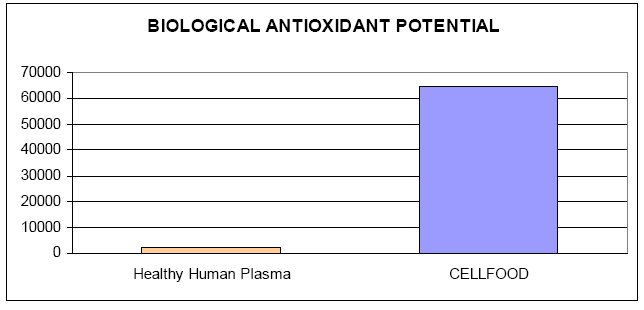
CELLFOOD is a powerful antioxidant with very high biological potential (almost 30 times higher than normal value of healthy human plasma).
01.09.02
Free Radical Clinical Study
FRAS d-Rom (Diacron) system used
Dr Michael Coyle
Cellfood significantly reduced oxidative stress (free radical) level in each of 60 subject groups (60 subjects) on average from 10% to 27%.
01.07.02
Cellfood Surface Tension Study
Augustine Research Center, U.S.A.
Dr Christopher Rulison, Ph.D.
Cellfood reduced surface tension to 40 mN/m (dynes/cm), the same surface tension of extracellular body fluids.
14.05.01
Report of an Investigation into the Colloidal Nature of Cellfood
Particle Characterization Laboratories, Novato, CA, USA. (Testing by Mr Willian Bernt, using ZetaPALS instrument with the Particle Sizing Option)
Dr David Fairhurst, Ph.D.
Cellfood is clearly colloidal dispersion. Shape of particle size distribution and magnitude of zeta potential suggest the product would be compatible with body fluids.
1999 Edition
Delivery Systems, e.g.
Intra-oral spray, sub-lingual liquid, pills, etc.
Physician’s Desk Reference, 53rd Edition, Thomson PDR, Montvale, N.J., U.S.A.
p.1666
Sub-lingual delivery of nutrients reach bloodstream within minutes, compared to pills that could take up to 50 minutes.
30.08.99
Total Coliform Test
Bioscreen Testing Service, Inc., CA.
Project# 94755
John Lawson, B.S., R.M.
Microbiologist Supervisor
Fecal and Total Coliform showed <3 MPN/gm when Cellfood added to samples. (MPN = Most Probable Number).
20.08.99
Microbiological Report
Bioscreen Testing Service, Inc., CA.
Project# 92466
Ref# 699-022
Marie Lynch, B.S., R.M.
Senior Microbiologist
60 min. after Cellfood added to samples, reduction in micro-organisms: E. coli 99.28%; P. aeruginosa 99.96%; and S. aureus 99.99%.
06.08.99
Dissolved Oxygen
Bioscreen Testing Service, Inc., CA.
Project#88100
Ref.# 677-074,077
Shawn Sparks
Chemistry Supervisor
10 drops Cellfood in 8oz. purified, deionized water, resulted in increased dissolved oxygen:
From base 1.9mg/ml; to 2.2mg/ml (15 min.); 2.5mg/ml (30 min.); 3.0mg/ml (60 min.).
04.08.99
Microbiological Report.
Cellfood – a powerful destroyer of pathogens in drinking water.
Bioscreen Testing Service, Inc., CA.
Project #88057
Ref# 667-025
Eugene Aquisap, B.S. Microbiologist
After 15 min., reduction in anaerobic micro-organism: E.coli 52.2%; P. aeruginosa 83.5%; S. aureus 91.5%.
04.08.99
Microbiological Report
Bioscreen Testing Service, Inc., CA.
Project #83454
Ref# 738-135
Eugene Aquisap, B.S. Microbiologist
Cellfood added to samples of mold, yeast and
bacteria samples met the current USP criteria for Antimicrobial Preservative Effectiveness.
08.07.99
Microbiological Report
Bioscreen Testing Service, Inc., CA.
Project#83454
Ref# 745-117
Wendy Yang, B.S.
Microbiologist
Cellfood added to mold, yeast and bacteria samples showed antimicrobial preservatives present.
16.07.96
The superiority of Cellfood as a trace mineral/electrolyte supplement
Dr Richard Weber
Dr Richard Weber, O.M.D., PhD., P.M., N.M.D., H.M.D.
1 drop Cellfood activated a 50 cc reverse osmosis circuit, 3500% stronger in conductivity than the nearest competitor.
21.05.96
Cellfood – a cleanser, detoxifier and immune system protector
Bioscreen Testing Service, Inc., CA.
Project# S-081
Ref# 087p166
Cellfood has pathogen-retarding capability and destroyed all five pathogens tested, and they did not return during the entire 28 day period.
REFERENCES:
 Heinrich W. Nolte, “Efficacy of Ergogenic Aids in Endurance Athletes”, Sports Institute of the University of Pretoria, Pretoria, 2002.
 Dr David Fairhurst, PhD., “Report of an Investigation into the Colloidal Nature of Cellfood”, Particle Characterization Laboratories, Novato, CA USA. Testing using ZetaPALS Instrument with Particle Sizing Option, 14 May 2001.
 “The high vascularity of the sublingual mucosa facilitates rapid absorption directly into the venous circulation through the sublingual and frenular veins, bypassing the gastrointestinal tract, the hepatic portal circulation, and hepatic first-pass metabolism” – from: F.E.R. Simons, M.D. et al, “Sublingual…..”, Journal of Allergy and Clinical Immunology, Vol.117, Issue 2, Feb. 2006, pp. 398-403.
 C.A. Lesch, “The permeability of human oral mucosa…”, Journal of Dental Research, Vol.68, Issue 9, Sep. 1989, pp. 1345-1349.
 “Physician’s Desk Reference”, 53rd Edition, Thomson PDR, Montvale, NJ, 1999. p.1666.
 Eugenio L. Iorio* and Luana Bianchi**, “Cellfood: a powerful antioxidant”, *International Observatory of Oxidative Stress, Free Radicals and Antioxidant Systems (Parma, italy) and **Diacron International, Research and Development Department (Grosseto, Italy), January 2006.
 Dr Michael Coyle, “Free Radical Clinical Study”, Nu Science Corporation, CA. September 2002.
 Dr Bernard Jensen, PhD., “The Chemistry of Man”, Bernard Jensen Enterprises, Escondido, CA, USA. 1983. pp.179-180.
 Dr A.D. Cromarty, “Toxicity Test Results: Lymphocyte survival/proliferation assay using varying concentrations of tested compound: Cellfood”, Department of Pharmacology in collaboration with University of Pretoria’s Biomedical Research Centre (UPBRC) at Onderstepoort, Pretoria, 23 Oct 2006.
 “Total Gross Alpha/Beta Activity of Liquid Effluent”, Reference RA-07742, Nuclear Technology & Services (NECSA), Pretoria, 29 Nov 2006.
 Extracts from the chapter, “The Vortex of Energy”: David Ash & Peter Hewitt, “The Vortex – Key to Future Science”, Gateway Books, Bath, 1995.
 U.S. Patent Number 2,530,317 – “Water-Splitting Mechanism”, 24 May 1944.
Health benefits of supplemental nucleic acids
By Todd Ovokaitys MD
Introduction
In this era of an increasingly enlightened public about the health benefits of nutritional supplements, there is a new area perhaps more overlooked than any other. This central area of health and nutrition is the ingestion of dietary nucleic acid bases – the essential building blocks of DNA and RNA.
The main reason these highly important nutrients have been neglected is that the body is able to manufacture nucleic acid bases from amino acids and other basic nutrients. In general, if the body can make a substance from other nutrients that substance is not considered to be essential. However, under certain conditions, the body is not able to make enough DNA and RNA bases to support the needs of the body’s tissues and organs, equating to a drastic reduction in the potential for good health.
Numerous studies in animals and humans show dramatic benefits in health, function, and survival with the supplementation of nucleic acid elements. These effects are so powerful that survival in life threatening assaults, ranging from radiation to infection to shock, has been markedly increased. From the standpoint of longevity studies, no single method has increased longevity more than supplementing DNA and RNA elements.
Metabolism of DNA and RNA (Cosgrove, 1998)
Five nucleic acid bases make up the information code of life. Both DNA and RNA share three of the bases – adenine, guanine, and cytosine. In DNA, the fourth base is thymine, whereas in RNA it is uracil. In DNA, each base combines with a five-carbon sugar called deoxyribose, hence the term DNA stands for deoxyribonucleic acid. In RNA, each base combines with the five-carbon sugar ribose, thus RNA stands for ribonucleic acid.
The information code in DNA in the cell nucleus is transcribed to RNA, which is then translated to all the enzymes and proteins made in the body. The DNA to RNA to protein translation mechanism makes possible the vast diversity of life on earth.
When DNA and RNA are ingested intact, they are intensely metabolized by intestinal bacteria and the intestinal lining. Over 95% of the pyrimidines bases cytosine, thymine, and uracil are degraded by the intestinal lining before reaching the blood stream. Only about 3% of the pyrimidines make it to the liver for further use in the body. The fate of the purine bases adenine and guanine is even more extreme. Over 99% of the purines are broken down to uric acid before being absorbed into the bloodstream.  Therefore only a tiny fraction of ingested DNA or RNA becomes available for the numerous functions required of them throughout all the cells of the body.
In addition to ingested DNA and RNA elements, the body can make DNA and RNA bases from simpler nutrients in the diet. In particular, the amino acids glycine, glutamine, serine, and aspartic acid, along with vitamin cofactors are used to make DNA and RNA bases from scratch.
In order to make nucleic acids from simpler substances requires having all of the precursors and cofactors in adequate amounts at the time of production. In addition, it requires having sufficient amounts of numerous enzymes in the correct proportions and locations in the cell.
Recent evidence indicates that the body is often not able to make enough DNA and RNA to protect, repair, and regenerate cells to their optimum function. This is especially true for cells that have high turnover rates such as the intestinal lining that may fully replace itself every week. The demand for production may particularly exceed synthetic capacity under conditions of stress in which the demand for greater cell activity and function becomes acute, particularly for the dynamic populations of cells in the immune system.
When demand exceeds production capacity, DNA and RNA base components become essential nutrients for protecting and preserving health. Numerous lines of evidence will be presented to show the far reaching health benefits of supplementing DNA and RNA during health stresses and even for general well being and longevity (Mathers, 2006).
Advantages of an Oral Spray Delivery System
Providing the nucleic acid base components in this form can increase their absorption into the bloodstream highly significantly. Instead of only 1-3% delivery to the blood stream for systemic use, the oral spray may effectively deliver 90% or more of the nucleic acids ingested to cells and tissues throughout the body.
It is very important to make the distinction between chains of DNA and the individual bases of DNA.  Intact DNA strands are long chains of individual bases strung together into a double helix that may have over 10 million bases linked together into a single enormous molecule. Intact DNA strands provide a linear code for the production of proteins and enzymes. Therefore intact strands of DNA bases are information containing and have a small but real potential for influencing DNA information in the cell nucleus. Long chains of DNA require extensive digestion to extract individual bases, resulting in poor absorption and only a small fraction of the bases being available for the body to use.
In contrast, the individual bases of DNA do not give sequence information. They are simply building blocks, much as the letters of the alphabet are the building blocks for words. Their small molecular size makes them highly and rapidly absorbable, greatly increasing their ability to be assimilated and used in cells and tissues throughout the entire body. They are nutritional and not informational. They are very safe and help the body repair and rebuild the DNA and RNA needed for health and cell regeneration.
absorption_chart
Research studies with supplemental DNA and RNA (Carver and Walker, 1995)
Numerous published scientific studies indicate very significant health benefits from DNA and RNA component supplementation (Slobodianik, 2003). Almost every system of the body has documentation of improved health, vitality, or function from providing supplements of these fundamentally important cellular elements, from infancy to advanced age. The following is a brief summary from the vast literature supporting the many published benefits of the supplemental nucleic acids and related metabolic systems.
3A. Infections
Staph aureus is one of the most aggressive bacterial infections faced in medical treatment. It tends to cause deep-seated abscess forming infections, often associated with extensive tissue destruction, high fever, and resistance to treatment. Surgical drainage is often required to clear pockets of infection. Without surgery, antibiotics alone are often ineffective at eradicating this invasive pathogen. Epidemics of Staph aureus resistant to all antibiotics have become a devastating problem in hospitals and treatment centers around the world.
A study in mice was performed to assess the ability of supplemental nucleic acid components to modify the course of virulent Staph aureus infection. The control animals that received no additional RNA or DNA elements showed a raging 71% mortality. In contrast, the animals that were supplemented with nucleic acid bases by injection showed vastly reduced mortality to 21% (Odens, 1970).
Candida is a form of yeast that frequently causes infections in humans. If Candida gets into the human bloodstream and persists, medical complications and mortality tend to be very significant. In experimental blood borne Candida infections in mice, the nucleic acid supplemented animals had a much higher survival rate than the untreated control animals.
These experiments suggest that supplemental DNA and RNA bases given in a form with absorption comparable to injection may strengthen the body to combat serious infections. This is likely to occur through improved immune function, although factors related to generally strengthening the vitality of tissues may also be a factor.
The very high absorbability individual nucleic acid bases by oral spray may support the immune system and general tissue vitality with a high degree of potency. Such supplemental support can help provide an added measure of resilience to sustain health or recover from infection.
3B. Cancer
A study in mice assessed whether RNA supplementation improved survival from an aggressive cancer (Rigby, 1971). The animals received a tumor vaccine and then transplants of a tumor cell line. The animals that only received the tumor vaccine all died within three weeks. In sharp contrast, the animals that received injections of RNA after the tumor vaccine had a 40% long-term survival. Thus the support of an anti-tumor program with only supplemental RNA provided a dramatic improvement in survival and outcome.
3C. Radiation injury
Ionizing radiation causes intense free radical generation and molecular fragmentation; the greater the intensity and dose, the greater the harm that occurs to all exposed tissues. The greatest harm tends to occur to cells that are dividing the most rapidly. Radiation is often used for cancer treatment because the tumor cells are more sensitive to radiation than the more slowly dividing normal cells; however, all the cells in the beam path sustain dose related injury.
In a study in mice to determine the protective effects of nucleic acid supplementation, all the animals were exposed to a very high dose of radiation. The survival rate in the control animals was extremely low at 5%. In contrast, the animals that received nucleic acid injections had vastly improved survival – ten times higher at 50%.
This suggests a generally strongly protective effect of nucleic acid supplements for all forms of ionizing radiation exposure, whether therapeutic or accidental. Even persons who use airline travel regularly may benefit from protecting their cells from the relatively higher exposure that tends to occur at altitude.
3D. Tissue regeneration (Cosgrove, 1998)
In order to sustain health, virtually every tissue in the body must regenerate itself regularly. It is now known for example that even neurons in the brain have the capacity to regenerate. Having adequate supplies of all the nucleic acid bases may be one of the most significant limiting factors on whether a tissue will be able to express its greatest capacity for regeneration and self repair.
A study in rats looked at the ability of the liver to regenerate depending on whether or not injections of nucleic acid bases were given. In this study, the rats had 70% of their livers surgically removed. The animals that received IV nucleic acids showed liver regeneration rates that were significantly greater than the untreated control animals.
Any tissue, in order to regenerate, requires the ability to make DNA and RNA to support the process of making new cells. Providing readily absorbed and assimilated DNA and RNA bases can be one of the most powerful ways to assist any tissue to repair and renew itself.
3E. Wound healing
A wound, surgical or otherwise, results in severing the usual integrity of tissue organization. It is a special case of tissue regeneration in which cells migrate into the area of the wound to either regenerate new tissue or to fill the defect with scar tissue. The type of healing depends on the tissue – the liver will tend to restore normal liver cells in the wound, whereas the skin will tend to fill the breach with scar to heal the opening and restore strength.
Several studies in wound healing have assessed the effects of supplemental nucleic acids on wound healing, especially of surgical wounds. Compared to the control group, those receiving the supplements showed more rapid healing, greater tensile strength of the skin, and significantly reduced scarring.
3F. Endocrine gland repair
Some of the tiniest organs in the body have the most profound effects on our health and well-being. These are the endocrine glands that secrete minute amounts of hormones into the blood without which every function of the body can suffer.
The tissues that are most susceptible to reduced function from nucleotide deficiency have been found to extract high proportions of nucleic acids from blood. These studies have examined the relative amounts of nucleic acid bases a tissue will incorporate if the nucleic acids are given through the GI tract versus being given intravenously.
The incorporation level of the administered nucleic acid bases is measured by giving nucleic acids that have been labeled with a radioactive marker. The amount of radioactivity measured in a tissue when it is given through GI absorption versus IV delivery then gives the assimilation ratio of the two routes of administration. Highly metabolically active tissues that are the most sensitive to stress-induced nucleic acid deficiency are those that have the highest IV: GI assimilation ratios.
In animal studies, the highest IV: GI assimilation ratios were found in the vitally important pituitary, thymus, thymus, salivary, and adrenal glands. The measured ratios ranged from 29-59:1 for IV delivery versus GI absorption. Other dynamic tissues that showed similarly high ratios were the intestinal lining and the lymphoid tissue of the immune system.
The pituitary gland located at the base of the skull has been called the “master gland” because it makes hormones that control the functions of other endocrine glands. It secretes hormones that regulate the thyroid and adrenal glands, the ovaries and testes, and the production of breast milk. The posterior region of the gland exerts control over the kidneys to adjust fluid balances throughout the body. Perhaps most important for longevity, the pituitary also makes growth hormone, that has been shown to have some of the most powerful age-reversing effects of any hormone ever studied. Inadequate nutritional support to this gland can have devastating and far-reaching effects throughout the body.
The adrenal glands, situated atop the kidneys, secrete adrenaline and noradrenaline, the fight or flight hormones. These powerful hormones increase heart rate and blood flow to muscle so that the body is immediately prepared for vigorous physical activity. In our ancestral past, this rapid preparation was a key to surviving in a hostile environment. However, modern living often puts a chronic stress on the adrenal glands, the myriad stimuli that surround us tending to keep the fight or flight mechanism constantly activated. The result is often varying degrees of adrenal burnout, exhausting the reserves of the gland to make the fight or flight hormones when really needed. Burned out adrenals give rise to a chronic low energy state, fatigue, and poor stress tolerance, like depleted batteries that fail to get recharged. These glands are especially prone to nucleotide deficiency under chronic stress, a condition that supplemental nucleic acids can help to restore, much as giving a long needed recharge to a nearly totally drained battery.
The thymus gland, residing behind the breastbone, is often considered the organ of rejuvenation and longevity. It is the gland in which the T cells of the immune system are formed and given identity.  Upon release it is the T cells in particular that help find and destroy cancer cells and cells that have become afflicted with viruses. The thymus gland tends to shrink with time, yet specific supplementation has been found to bring this vital organ back to more youthful function. In particular, providing nucleic acid bases for this gland with very dynamic cell turnover can significantly rejuvenate this gland and its life preserving activities.
The thyroid gland, at the base of the neck in front of the windpipe, produces thyroid hormones, the main control mechanism for setting basal metabolic rate. In some circles it is believed that we are in the midst of an epidemic of undetected deficiency of thyroid function. Tests of thyroid function may not show overt clinical disease, but low-level deficiency can significantly reduce quality of life. Effects are subtle and can include generally low energy, sluggish bowel function, lack of initiative, tendency to depressed mood, and weight gain with great difficulty losing the added pounds. Dietary iodine and the amino acid tyrosine are important building blocks to make thyroid hormone naturally from the gland. In addition, correcting insufficient nucleic acid production under stress will also support recovery of a sluggish gland.
The salivary glands reside in several pockets in the mouth. Although not as essential as the other glands to sustain life, they provide a vital role in the first stages of preparing food for complete digestion. These metabolically active glands also require a rich supply of nucleic acids to maintain adequate salivary flow.
Supplemental nucleic acids can thus be a very powerful tonic to sustain and boost the functions of the most vital glands in the body. These glands set our level of energy, our ability to respond to stress, our capacity to maintain strong immune defenses, the hydration of our bodies, and a wide range of hormone balances essential to a high quality of life.
3G. Intestinal integrity, maturation, and bowel flora (Cosgrove, 1998)
The intestinal lining replaces all of its cells every seven days. Only a single layer thick, this lining is highly dependent on a sufficient supply of nucleic acids to completely regenerate itself every week. If nutritional support is inadequate, defective regeneration of the intestinal mucosal lining impairs the enzymatic stages of digestion, which can lead to a vicious cycle of deteriorating digestion and nutritional status.
In a study in young rats with chronic diarrhea, the effects of nucleic acid supplementation was tested. In the untreated animals the intestinal villi, finger-like absorptive projections, showed a dramatic reduction in height, like a forest that had been chopped down to stumps. The intestinal lining cells showed a drastic reduction of digestive enzymes, the essential final step of digestion that breaks nutrients down to the building block levels that the body can use. These animals were clearly failing to thrive. Upon administration of supplemental nucleic acids, the appearance of the intestinal lining greatly improved, with regeneration of the height of the absorptive intestinal villi. In addition, the enzyme content and function of the intestinal lining also greatly improved, permitting the animals to recover and thrive robustly (Uauy et al., 1990).
Human infants also require dietary nucleotides for optimum health, development, and well-being. Human breast milk has a significantly higher content of certain nucleic acid bases than does cows milk. Infants fed formula milk instead of breast milk have been found to have pathological intestinal bacteria that greatly increase their risk of outbreaks of diarrhea; especially in developing countries, such outbreaks can be life threatening (Schaller et al., 2007).
Studies have shown that if formula milk is supplemented with a nucleic acid profile similar to that in breast milk, infants thus fed have a much healthier profile of intestinal bacteria, typical of infants that have actually been breast fed. In the nucleic acid supplemented infants, the incidence and severity of diarrhea is reduced significantly to the level seen in breast fed infants. One of the most vital components of breast milk that confers its health and developmental advantages over formula milk thus appears to be its higher content of nucleic acids, making a strong case for such supplementing of all formula milk (Aggett et al., 2003; Santora and Kozar, 2009).
3H. HDL cholesterol levels (Cosgrove, 1998)
An additional finding in infants who received nucleic acid supplementation was an improvement in their blood lipid profiles. In particular, the infants receiving added nucleic acids were found to have higher HDL cholesterol levels, the cholesterol fraction that protects against cardiovascular disease the higher the level. It is possible that establishing higher HDL levels early in life may confer an ongoing tendency to cardiac protection.
3I. Growth and development
Studies in young laboratory animals have assessed the effects of supplementing DNA and RNA elements. Compared to control animals, the supplemented animals grew, developed, and increased muscle mass at a greater rate. Other vital proteins were also built more readily in the treated animals. The intestinal lining in particular matured more robustly in the supplemented animals. Research thus far indicates that the tremendous need for nucleic acids in growth and development is strongly beneficially supported through supplementing these vital nutritional elements (Mathers, 2006).
3J. Cellular immunity
Cellular immunity refers in particular to immune cells that have the role of identifying cells in the body that have become abnormal, so that the abnormal cells can be removed. The main cellular changes sought through the cellular immune system are the development of cancer cells or various types of intracellular infection. The goal of the cellular immune system is to eliminate cancer cells or infected cells before they can become established in the body to cause serious illness.
The main effectors of cellular immunity are cells that arise in the thymus gland. These cells are often called T cells for their thymic derivation, of which there are several types with varying functions. A special type of T cell called a cytotoxic T cell has the role of finding and sticking to abnormal cells, then releasing substances that selectively digest and clear the renegade cells.
Whereas cytotoxic T cells are generally active in seeking and clearing a wide range of abnormal cells, natural killer cells have a more targeted mission: seeking and destroying any cell that has become a cancer cell. The integrity of cellular immune function, most especially natural killer cell function, is the first line of defense of preventing tumor cells from establishing a stronghold in the body. Many studies have correlated reductions of cellular immune and natural killer cell function with increasing risks of developing cancer; some scientists feel that cancer is primarily a problem of inadequate cellular immunity.
Cytotoxic T cells, natural killer cells, and other types of T cells are also known as lymphocytes. These cells are a major component of the body’s lymphoid tissues that protect us from infections and cancers of many types. In addition to the T cells of several types there are also B cell lymphocytes whose role is the production of antibodies. Unlike T cells that act directly cell-to-cell, antibodies are released into the bloodstream to hunt down specific infectious, toxic, or tumor cell molecules. Lymphoid tissues that coordinate the functions of the immune system include the spleen, tonsils, lymph nodes, Peyer’s patches widespread throughout the intestines, regions of the bone marrow, and most importantly the thymus gland.
The lymphoid tissue and especially cellular immunity has been found to be highly vulnerable to nucleic acid depletion under conditions of stress. In other words, at the time of greatest need for protection, inadequate supplies of DNA and RNA bases can weaken the ability of the body to respond to the threat. An insult or tumor or infection the body might otherwise easily handle can escape control if the lymphoid does not have adequate nutrition to respond.
Numerous studies in animals and humans have shown that supplementing nucleic acid elements has profoundly beneficial effects on boosting the function of lymphoid tissue. In part, the reason for this is that lymphoid tissue is highly dynamic such that cells that have become sensitized to microbial invaders or cancer cells need to divide rapidly to make an army of specifically targeted cells to eliminate the invader.  A rich supply of nucleic acids, often beyond that the body can readily make, may be required for all the activities required for expanding the cells that prevent a minor invasion from becoming an overwhelming infection or uncontrolled malignancy.
Published studies have particularly demonstrated that cellular immunity is significantly strengthened with nucleic acid supplementation. Research that has examined natural killer cell function has shown especially dramatic effects on increasing the activity and function of these tumor surveillance and elimination cells. Improved health of body tissues in general and enhanced cellular immunity in particular, likely accounts for the vastly improved outcomes observed in the face of a wide range of minor to life threatening insults. The most well-defined models that demonstrate the influence of nucleotides on immune function are those evaluating the host response against allografts. Preformed nucleotides are postulated to be required for optimal T cell proliferation and responsiveness to antigens. Functional in vivo studies evaluating lymphocytes have shown decreased lymphocyte proliferation in response to mitogens and decreased IL-2 production, which is restored with RNA and uracil supplementation. These findings translated into improved cardiac allograft survival in animals fed a nucleotide-free diet.
Overall, these studies suggest that dietary nucleotides are substrates needed for optimal T cell maturation, which influences T cell effector functions. Nucleotide supplementation is also thought to augment the nonspecific host response to infection by altering the intestinal microflora environment, which is best demonstrated by reduced infections in infants receiving nucleotide supplemented formulas. In these instances, nucleotides are thought to act as prebiotics, facilitating the proliferation of beneficial flora. Finally, nucleotides are also thought to maintain the integrity of gut mucosal barrier function. Nucleotide supplementation mitigates the effects of endotoxin-induced mucosal damage. This mechanism leads to reduced bacterial translocation in LPS-induced sepsis models.
3K. Memory enhancement (Liu et al., 2009)
It is not generally well recognized that forming long-term memories requires significant quantities of nucleic acids. Especially the availability of an adequate pool of RNA is needed to manufacture new proteins that are essential to memory function. Although other support nutrients are an important factor, optimum memory function is not possible without a rich supply of nucleic acids.
Many studies in animals and humans have found a dramatic improvement in memory function with nucleic acid supplementation. Whether it is the ability to remember the right pathway to get through a maze for a prize of cheese, or to remember facts and figures, giving supplements of DNA and RNA elements has highly significantly increased performance.
Perhaps most dramatically, one researcher has focused on giving nucleic acids to persons with dementia. Even with advanced cases, if he went to high enough delivery levels to his patients, in almost every case memory improvement was very significant. The doctor reported that even in advanced cases of dementia dramatic memory recovery occurred if high enough levels of nucleic acids were given.
3L. Longevity (Bowles, 1998)
It is perhaps functional nucleic acid deficiency that limits our potential for healthy longevity more than any other single factor. Of all the interventions that have ever been attempted to increase the life span of mammals, no method ever studied has been more powerful for mammalian life extension than nucleic acid supplementation. Compared to other techniques that have increased longevity of experimental animals up to 50%, administering nucleic acids has doubled and even tripled the usual maximum life span.
In a landmark study, a strain of rats was used that had a usual life span of 800-900 days. The study began with all of the animals at day 750, rather advanced in age at the entry of the test protocol. Half of the animals were used as controls and received their standard diet, housing, and care. The treatment group animals were given identical conditions with the exception of receiving weekly injections of DNA and RNA (Savaiano et al., 1981; Selhub et al., 1995).
After eight weeks the control rats looked much worse than at the start of the study, losing fur and muscle mass, and showing reduced physical activity. In sharp contrast, at this time in the study, the treated animals actually looked and behaved like younger animals. They regrew fur and increased their muscle mass, had renewed libido, and were significantly more active.
By day 150 of the study, all of the untreated control animals had died.  In dramatic contrast, the minimum additional life span in the treated animals was 850 days, minimally doubling the usual life span of the animals. Perhaps most noteworthy, the longest lived animal in the treatment group survived 1500 days from the start of the study.
This is the greatest life extension ever reported for a mammal; nearly triple the usual maximum life span. It is especially remarkable because the animals were of advanced age at the start of the study. Weekly injections of DNA effectively increased the remaining life spans of the animals by 500-900%.
It is as yet unknown whether even greater degrees of life extension could be achieved by beginning nucleic acid supplementation at an even earlier age, before any organ deterioration had occurred. It is likely that the longevity achieved would be at least as great or greater.
It is important to note that the doubling and tripling of the animal’s life span resulted from an ongoing program of nucleic acid delivery. This suggests that optimum longevity effects from DNA and RNA component supplementation requires continuous delivery of nucleic acid bases; this assures that the major glands and tissues of the body always have the elements needed for peak rejuvenation and repair (Mathers, 2006).
4. Laser enhancement technology
As a byproduct of research into the development of novel laser technologies for treating major diseases, a new form of laser energy was created. This new form of laser energy is so powerful it can be used to reshape molecules into a form that the body can use more efficiently, thus delivering greater bioavailability.
In essence, a typically manufactured nutritional supplement is subjected to chemical extraction, purification, and drying steps. All of these processes can cause numerous random distortions of nutrient shape. Enzymes of the body are highly shape sensitive for the molecules they will accept or reject. When the body receives a nutrient in a wide range of random shapes, some will fit and many others will not. The nutrients that don’t fit will either be excreted or broken down to relatively useless compounds.
The breakthrough embodied in the laser reshaping technology is the ability to produce ultra short pulses in resonance with the natural frequency of the nutrients. The natural frequency of any structure is the frequency it will naturally tend to vibrate at when stimulated. If impulses are provided at the natural frequency even tiny amounts of energy given in each cycle build up to very large amounts of energy in the structure, in a patented process known as photoacoustic resonance, or PAR.
The basic analogy is kicking your legs to propel a swing. If you kick your legs at just the right time in the swing, the swing will go higher and higher. If you kick your legs randomly the swing will jiggle around at its lowest point, gathering no momentum. Normal laser action is like kicking your legs continuously. The impulses are out of phase with the natural frequency and the swing is not moved other than random small movements. In contrast, the laser impulses generated through PAR technology provides impulses at the right phase of the molecular vibration to build the energy in the molecule, to up to several times the baseline energy in the molecule.
The net effect of resonant laser stimulation is to create small flat stretched molecules that most importantly are consistent in shape from molecule to molecule. Homogenizing the shape of the molecules greatly reduces the enzyme energy needed to bind the next molecule, which can greatly increase the efficiency of nutrient utilization. This allows the cells to make much more of the desired products from the same quantity of ingested nutrients.
Using this laser molecular resonance technology, crystals of important nutrients have been made that show the predicted effects. Crystals prepared without the laser show numerous defects in crystal formation, indicating the diversity of shapes. In contrast, laser treated crystals are perfectly formed and free of defects, attesting to consistency of form.
Using X-ray crystallography, the predicted effects of flattening and stretching molecular bonds has been observed. X-ray crystallography is the scientific gold standard for determining the explicit three-dimensional shape of molecules and can place the location of each atom in the molecule to tiny fractions of Angstroms (1 Angstrom = one ten billionth of a meter). X-ray crystallography has also shown tremendous homogenization of molecular shape in an important nutrient known to have a wide variety of shapes after the usual manufacturing processes.
At the level of the test tube, cells fed equal amounts of ordinary versus laser treated nutrients have been tested. Milligram for milligram, cells fed the laser treated nutrients have produced statistically significantly more of the biologically desirable internal products.
Several amino acid effects in particular have been shown to be enhanced in vitro or clinically through laser treatment. Laser treatment of nutrients can thus work to create the most potently absorbed and utilized nutrition ever offered.
5. Benefits of ATP (Agteresch et al., 1999)
ATP stands for adenosine triphosphate, perhaps the most important of all the nucleic acid derivatives in the body. Its effects are so powerful and essential to cellular function, a description of its unique properties warrants special attention.
ATP is the fundamental currency of every cell in the body. Virtually every activity in the body that requires energy uses ATP as the source of power. Whether the function is building complex molecules from building blocks, maintaining the electric potential of cell membranes, or allowing muscle fibers to contract for mobility, speed, and strength, it is ATP that provides the electrochemical fuel.
5A. Cellular energy
There are two fundamental ways ATP is generated in the body, one very efficient and one very wasteful. Efficient ATP production occurs through aerobic metabolism in the mitochondria, tiny organs or organelles within the cell that burn fuels like fat and glucose to generate ATP. Aerobic means that oxygen is used to completely “burn” a fuel for maximum ATP production. For example, the complete combustion of a single glucose molecule to carbon dioxide and water yields a rich harvest of 36 molecules of ATP.
Inefficient ATP production occurs through anaerobic metabolism. Anaerobic means without oxygen, so very little energy and ATP are extracted from fuels. When glucose is broken down through anaerobic metabolism, each molecule of glucose only gives rise to 2 molecules of ATP, wasting 95% of the potential glucose energy. Further, the byproduct of this reaction is two molecules of lactic acid, which makes the cells more acidic and less functional. In athletes, lactic acid accumulation causes muscle fatigue and the “burn”, whereas in cancer cells lactic acidosis is a recognized metabolic disturbance that contributes to diminished cellular function
5B. Neurological effects
ATP is the primary fuel that drives learning, memory, and concentration functions. ATP is essential to maintain the membrane potentials that permit nerves to integrate and transmit signals throughout the central and peripheral nervous systems.
In addition, giving ATP or its breakdown product adenosine intravenously has shown pain relief comparable to injected morphine for pain due to ischemia (impaired blood flow). Two surgical studies have shown a 25% reduction in the need for postoperative narcotic pain relievers when adenosine was given IV.
Perhaps most remarkable, peripheral neuropathic pain is one of the most difficult pain syndromes to manage. Excruciating constant pain may resist all but the most drastic measures. IV adenosine for 45-60 minutes reduced neuropathic pain for 6 hours to 4 days in 86% of persons tested.
5C. Cardiac strengthening
The cyclic contraction of cardiac muscle is highly ATP intensive and thrives on aerobic metabolism. The ATP delivery effects of ATP in an oral spray provide the heart with an enhanced energy supply for efficient function.
Providing intravenous ATP has been shown to slow conduction through the AV node, which has been used to slow down certain excessively fast heart rate called tachycardias. Occasionally chest symptoms can occur with rapid intravenous infusions of ATP that resolve within seconds after stopping the infusion. ATP is not known to cause excessively slow heart rates in persons whose heart rates are normal.
5D. Muscle performance
Skeletal muscle also requires abundant quantities of ATP for muscular contraction. Supplemental ATP has been described as an “explosive performance enhancer.” Especially if given with two other nutrient supporters of muscle function, creatine monohydrate and creatine pyruvate, muscle endurance, performance, and recovery can be significantly boosted.
5E. Lung function
ATP administration has been shown to have numerous beneficial effects on lung function, particularly the delicate lining membranes of the airways and alveoli. In the lung, branching tubes called bronchi and then bronchioles deliver air to and from the tiny air sacs called alveoli. The alveoli form a large membrane only a single cell in thickness through which capillary blood can pick up a new supply of oxygen and unload carbon dioxide with every breath.
In vitro, or test tube level research, has shown that ATP increases secretion of surfactant in the alveoli. Surfactant is an essential substance that keeps the alveoli from collapsing when the breath is exhaled, preserving integrity of functional gas exchange.
The bronchial tubes are lined with tiny brush like structures called cilia that are constantly sweeping particulates that get into the lung upward and outward. ATP not only increases the ciliary beat frequency, it also increases the secretion of mucus and water from the bronchial lining, to help keep the lungs clear at all times.
In some conditions, the blood pressure in the vessels in the lungs can raise too high, a condition known as pulmonary hypertension. When given intravenously, ATP binds to the lining of the pulmonary vessels and stimulates a cascade of events that cause the blood vessels to relax and lower the pressure.
Cystic fibrosis is one of the most common inherited genetic diseases. Impaired water and electrolyte secretion from the bronchial lining results in thick secretions that block the bronchial tubes and result in recurring infections. ATP has been found to increase electrolyte and water secretion with improved clearance of secretions, offering hope of a new and useful intervention in this often aggressively progressive condition.
5F. Cellular immune enhancement
Natural killer cells and cytotoxic T cells as reviewed are subtypes of effector lymphocytes that have a vital role in immune defense against tumors and virus-infected cells. Recent research suggests that ATP may play an important role in the mechanism through which these effector cells eliminate the target abnormal cells. In test tube studies, ATP has been shown to enhance the ability of cytotoxic lymphocytes to rupture the membranes of tumor cells.
5G. Anti-tumor effects
In test tube studies, adding ATP has shown the ability to inhibit the growth of several types of human cancer cell lines. The types of cancer cells inhibited include pancreatic cancer, colon cancer, melanoma, androgen-independent prostate cancer (i.e., not responsive to male hormone manipulation, the most aggressive variant), breast cancer, myeloid and monocytic leukemia (bone marrow derived tumors of blood forming cells), and multi-drug resistant colon cancer. In contrast, normal cells from these tissues showed less inhibition of growth or no inhibition at all, suggesting that increasing ATP outside cells may have a selective inhibitory effect on several cancer cell lines.
Mice injected with the untreated leukemia cell line L1210 died of leukemia within 18 days. In contrast, if the leukemic cells were treated with ATP before injection, 85% of the recipient mice survived for more than 70 days, a highly significant increase in survival.
In mice and rats, injections of ATP into the abdominal cavity have significantly slowed the growth of several different types of tumor cell lines, including colon cancer, lymphomas, and breast cancer. ATP administration resulted in significantly prolonged survival in the treated animals.
Administering ATP may also enhance the effectiveness of cancer chemotherapeutic agents, increasing the anti-tumor effect of a given dose, or greatly reducing the dose required for a therapeutic effect. In particular, decreasing the dose of the treatment agents can dramatically reduce the toxicity of these anti-tumor drugs.
For example adding ATP to the drug doxorubicin to cultures of human ovarian cancer cells doubled the tumor cells eliminated compared to using doxorubicin alone. When ATP was given, 30-50% more doxorubicin accumulated in the cancer cells, whereas giving ATP to healthy human cells did not increase the accumulation of the drug.
In mouse melanoma cell lines, ATP increased the entry of several chemotherapeutic agents. The anti-tumor effects of these agents were additively increased with ATP treatment. Even more remarkable was the synergistic anti-tumor effect seen with the drug vincristine; the effective therapeutic dose of this agent was reduced to one-tenth to one-fiftieth of the dose usually required.
In mice with melanoma addition of the ATP derivative adenosine to the treatment program significantly increased the tumor elimination. In addition, a protective effect was seen on the healthy bone marrow, preventing the usual decrease in white blood cells due to treatment.
Beyond growth inhibition, ATP may cause some types of tumor cells to burst. In human acute myeloid leukemia, a dose-dependent rupture of the cancer cells was seen using ATP.
In a randomized human clinical study, intravenous ATP was given to patients with advanced lung cancer at 2-4 week intervals. Whereas the control patients lost 2 pounds per month, the treated patients had stable to slightly increased weight. Over the six months of the study, the control patients lost one third of their muscular strength, while the ATP treated patients lost no strength. Although some medications may maintain weight in cancer patients, this is usually due to fat gain while muscle is lost. Intravenous ATP is the first intervention ever studied that appears to be able to maintain muscle mass, body weight, and muscle function in advanced cancer patients.
Thus ATP may be broadly beneficial in supporting anti-tumor cell biology. ATP enhances cellular immune function, inhibits the growth of several types of tumors, and in some cases may be able to cause direct elimination of tumor cells. In addition, ATP protects from radiation injury and may preserve weight and muscle strength. Further study will be needed to assess the full range of benefits it may provide. Given its high safety profile, ATP use may be one of the most beneficial adjuncts developed for supportive care, enhancing the results of conventional treatments.
5H. Improved human survival of shock
Under conditions of metabolic stress, such as depriving a tissue of oxygen through reduced blood supply, a rapid and massive depletion of ATP within cells occurs. Giving ATP or its metabolite adenosine has been described as a “natural defense system” to protect the tissues from the effects of severe oxygen deprivation. These protective effects include improved function of energy generating mitochondria, better electrolyte transport, increased ATP within cells, reduced oxygen consumption, and improved function of messenger molecules within the cells.
Shock is a condition in which there is a generalized reduction of blood flow and oxygenation to tissues below that required for their function. If shock is sustained, organ failure or death may occur. Once shock is reversed, supportive measures to assist tissue recovery can significantly affect quality of outcome.
In a study of 32 patients with acute kidney failure or multiple organ failure due to shock, highly beneficial effects of intravenous ATP were observed. The patients were randomly divided into the treatment group that received intravenous ATP or the control group that did not. The survival rate of 73% in the control group was increased to 100% survival in the ATP treatment group, showing the powerful tissue restorative effect of this intervention.
5I. Sexual function
In human tissue studies, the administration of ATP and adenosine has been found to induce the smooth muscle relaxation that is essential for erectile function. In diabetic men, erectile dysfunction is common through several mechanisms. The erectile tissue of diabetic men has been found to be especially sensitive to the smooth muscle relaxation effects of ATP, offering them a hopeful avenue of recovery of erectile function (Gur and Ozturk, 2000).
6. Safety
Supplemental nucleic acids have an outstanding safety profile. The levels of nucleic acid elements provided in one ml of an oral spray formula, a typical serving, ideally falls within the internationally approved safety guidelines for supplementing nucleic acids in infant formulas (Aggett et al., 2003).
The one precaution is that the purine nucleic acids adenine and guanine are metabolized to uric acid in the body. Persons with elevated uric acid or a history of gout may have a very slightly increased risk of an episode of gout while taking nucleic acid supplements. Because of the very high potency and bioavailability of the nucleic acid elements in oral spray form, the specific quantities of purine bases are well below that usually associated with an increased risk of elevating uric acid.
Some persons find that they are highly energized with mucosally administered ATP and may have difficulty falling asleep if they take it too late in the day. For such persons it is best to use the formula earlier in the day to enjoy the energy effects without interference with sleep.
For any person with medical issues, it is always advised that their physician be consulted before beginning any new nutritional program.
7. Summary and conclusion
The health benefits of nucleic acids delivered as an oral spray may be further increased by applying the proprietary PAR process. Providing highly bioactive nucleic acid elements, this delivery system can help rebuild and boost the function of every cell in the body.
Precautions:
It is advised that people consult their physicians before embarking on any health program. Persons who have gout in particular should consult their physicians before use. A byproduct of some of the DNA and RNA bases is uric acid, which can aggravate gout. The content of these bases in the formula is quite low compared to the level usually observed to be a possible problem for gout.
How long should Cellfood Longevity be used?
Use even for a short while will provide the body with building blocks to repair DNA and tissue.  For the most profound effects on longevity, the best were seen if DNA and RNA building blocks were given continuously, week after week. Although occasional holidays may even be helpful, long-term use is most likely to give the greatest benefits.
References
Aggett P, Leach JL, Rueda R, and MacLean WC. 2003. Innovation in infant formula development: A reassessment of ribonucleotides in 2002. Nutrition 19: 375-384.
Agteresch HJ, et al. 1999. Adenosine triphosphate: established and potential clinical applications. Drugs; 58 (2): 211-232.
Bohoun C, and Caillard L. 1971. S-adenosyl-methionine in human blood. Clinica Chimica Acta; 33: 256.
Bowles JT. 1998. The evolution of aging: a new approach to an old problem of biology. Medical Hypotheses; 51: 179-221.
Carver JD, and Walker WA. 1995. The role of nucleotides in human nutrition. Nutritional Biochemistry 6: 58-72.
Cosgrove M. 1998. Nucleotides. Nutrition; 14 (10): 748-751.
Grimble GK. 1994. Dietary nucleotides and gut mucosal defense. Gut; 1: S46-S51.
Gur S, and Ozturk B. 2000. Altered relaxant response to adenosine and adenosine 5’-triphosphate in the corpus cavernosum from men and rats with diabetes. Pharmacology; 60: 105-112.
Kishi T, et al. 1994. Effect of betaine on SAMe levels in the cerebrospinal fluid of a patient with methylenetetrahydrofolate reductase deficiency and peripheral neuropathy. Journal of Inherited Metabolic Disease; 17(5): 560-566.
Liu L, van Groen T, Kadish I, and Tollefsbol TO. 2009. DNA methylation impacts on learning and memory in aging. Neurobiology of Aging 30: 549-560.
Mathers JC. 2006. Nutritional modulation of aging: genomic and epigenetic approaches. Mechanisms of ageing and development 127: 584-589.
Odens M. 1970. Prolongation of the life span in rats. J Am Geriatr Soc; 21(10): 450-451.
Rigby PG. 1971. The effect of “exogenous” RNA on the improvement of syngeneic tumor immunity. Cancer Research; 31: 4-6.
Santora R, and Kozar RA. 2009. Research review. Molecular mechanisms of pharmaconutrients. In press: Journal of Surgical Research; 1-7.
Sanchez-Pozo A, Rueda R, Fontanna L, and Gil A. 1998. Dietary nucleotides and cell growth. Trends Comparative Biochem Physiol; 5: 99-111.
Savaiano DA, Ho CY, Chu V, and Clifford AJ. 1981. Metabolism of orally and intravenously administered purines in rats. J Nutr; 110: 1793-1804.
Schaller JP, Buck RH and Rueda R. 2007. Ribonucleotides: Conditionally essential nutrients shown to enhance immune function and reduce diarrheal disease in infants. Seminars in Fetal and Neonatal Medicine 12: 35-44.
Selhub J. et al. 1995. Association between plasma homocysteine concentrations and extra cranial carotid artery stenosis. New England Journal of Medicine, 332, (5): 286-291.
Slobodianik NH. 2003. Dietary ribonucleotides and health. Nutrition; 19 (1): 68-69.
Uauy R, Quan R, and Gil A. 1994. Role of nucleotides in intestinal development and repair: implications for infant nutrition. J Nutr; 124: 1436S-1441S.
CELLFOOD (Deutrosulfazyme): a powerful antioxidant
Eugenio Luigi Iorio*, Luana Bianchi** and Alessia Storti***
*International Observatory of Oxidative Stress, Free Radicals and Antioxidant Systems (Parma, Italy). **Diacron International srl, Research and Development Department (Grosseto, Italy). ***Eurodream srl, Research Department (La Spezia, Italy)
Background
CELLFOOD (Deutrosulfazyme, NuScience Corporation, USA) is a non-addictive, non-invasive, and completely non-toxic proprietary colloidal-ionic formula containing finest all-natural, plant-based organic substances including ionic minerals, enzymes, amino acids and deuterium sulphate as traces (1). CELLFOOD was shown to be useful in the modulation of oxygen bioavailability in athletes (2, 3) and in the lowering of d-ROMs test values (Diacron International, Grosseto, Italy) (4) – in subjects at risk of oxidative stress, the main factor of premature biological ageing (5).
Aim
Because it has been previously established that high d-ROMs values (reactive oxygen metabolites) can be reduced either in both healthy (7) and health challenged individuals (8) by the administration of some liquid formulas containing low concentrations of antioxidants as well as CELLFOOD, we tested the hypothesis that the CELLFOOD formula was able to reduce the oxidative stress in vivo due to its intrinsic antioxidant properties in vitro.
Materials and Methods
The antioxidant activity of CELLFOOD was measured by the BAP (Biological Antioxidant Potential) test (Diacron International, Grosseto, Italy) performed with the dedicated instrumentation FRAS4 (Free Radical Analytical System 4, Health & Diagnostics Limited Co., Parma, Italy) (6). Data were expressed as means ± SD µM of reduced iron from at least three independent experiments. The intra-assay coefficient of variation (CV) was also calculated in repeated determinations (n=8)
Results
The biological antioxidant potential of CELLFOOD measured 64,747 ± 3,660.5 (CV, 5.7%).
BIOLOGICAL ANTIOXIDANT POTENTIAL
Discussion
With its very high biological antioxidant potential (almost 30 times higher than the normal value of healthy human plasma) CELLFOOD is a powerful antioxidant (6). This may be ascribable to some of the specific active principles of CELLFOOD, including natural extracts and antioxidant enzymes. This property can reasonably explain the ability of the formula to reduce in vivo the d-ROMs test values (5).
Conclusions
CELLFOOD is a natural formula able to reduce oxidative stress and is potentially useful in the prevention of premature biological ageing. Subsequent studies are in progress to evaluate the changes in plasma biological antioxidant power after ingestion of CELLFOOD.
References
 Iorio EL. Deutrosulfazyme (CELLFOOD®). Overview clinico-farmacologica. Proceedings International Conference Safety Evaluation of Complementary and Alternative Medicine. 2003. Empoli (Italy). 2003, October 24 – 25.
 Iorio EL. Oxidative stress, sport trauma and rehabilitation. New proposals for an integated approach. Proceedings XIV International Congress on Sports Rehabilitation and Traumatology “The accelerated rehabilitation of the injured atlete”. 2005, April 9 – 10. PP 127. Bologna (Italy).
 Van Heerden J, De ‘Ath K, Nolte H. Product Efficacy Repor. The study on the effects of CELLFOOD® on elite athletes. Sport Institute, University of Pretoria (South Africa), 2001.
 Alberti A, Bolognini L, Macciantelli D, Carratelli M. The radical cation of N,N-diethyl-para-phenylendiamine: a possible indicator of oxidative stress in biological samples. Res Chem Intermed. 2000. 26 (3): 253–267.
 Coyle M. Free radical clinical study by laboratory tests. NuScience Corporation. Health products update. 2004.
 Dohi K, Satoh K, Ohtaki H, Shioda S, Miyake Y, Shindo M, Aruga T. Elevated plasma levels of bilirubin in patients with neurotrauma reflect its pathophysiological role in free radical scavenging. In Vivo. 2005. 19 (5): 855–860.
 Cornelli U, Terranova R, Luca S, Cornelli M, Alberti A. Bioavailability of some food supplementations in men and women using the d-ROMs test as a marker of oxidatve stress. J Nutr. 2001. 131: 3208–3211.

 Cesarone MR, Belcaro G, Carratelli M, Cornelli U, De Sanctis MT, Incandela I, Barsotti A, Terranova R, Nicolaides A. A simple test to monito oxidative stress. International Angiology. 1999. 18 (2): 127–130.
0